Your Colorado Springs Car, Truck and Complete Automotive Repair Neighbor

VIDEO TIPS & BLOG


Air Conditioning Service In Colorado Springs

Posted on

Hey Colorado Springs, Colorado Do you hear loud noises under the hood when you turn on your air conditioner? Do you only get cool air sporadically? If so, it is time to get your air conditioner checked. It’s real easy to take your car’s air conditioner for granted. Just push the right buttons and out comes cool, dry, clean air. But your air conditioning system needs attention from time to time to help it keep its cool.

When most people in Colorado Springs hear the words “air conditioning problems”, it sends a shiver up their spine. That is because the air conditioning system is fairly complex. It has a lot of parts and when it’s broken, it’s expensive to repair.

What things can we do to prevent air conditioning breakdowns?

A common cause of air conditioning failure is leaks. Water and air can leak into the system. The system doesn’t work as well with air in it. And water can cause rust that leads to damage of the A/C components. Also, refrigerant, the stuff that makes the air cold, can leak out, reducing the efficiency of the system, making it work harder to cool the air. Periodically evacuating the air conditioning system and recharging it keeps the proper amount of clean refrigerant in the system so it cools better and lasts longer.

You should also run the air conditioner regularly, even in a frosty Colorado Springs winter, so that it lubricates itself and keeps the seals from drying out, which leads to leaks. Your owner’s manual will have recommendations for how often to service your air conditioner. Of course, if it’s not working right, now is the time to get it checked. LightHouse Automotive, LLC can inspect and test your air conditioning and offer evacuation and recharge services. This goes a long way to avoiding having to bring your air conditioner in for major repairs.

New environmental laws have stopped the manufacture of Freon, a refrigerant that was common in cars made before 1993. There is a very limited supply of Freon so the price is very steep. It may not be worth its weight in gold, but it probably is worth its weight in silver. If you have an older vehicle that uses Freon, you may want to consider having it retrofitted to use the new R134-A refrigerant. It will pay for itself in the long run. So, if your AC is just a lot of hot air, bring it in to LightHouse Automotive, LLC for an inspection.

LightHouse Automotive, LLC
2499 East Platte Avenue
Colorado Springs, Colorado 80909
719.634.0005

This entry was posted in Air Conditioning. Bookmark the permalink.

Braking News: Keep Your Stopping Power

Posted on

Richard Petty once told AutoNetTV, “You’ve gotta have good brakes. If you’ve got good brakes you can keep yourself out of a lotta trouble.”

That’s why a regular brake inspection is on every Colorado Springs car’s maintenance schedule. An inspection at LightHouse Automotive, LLC will check your brake system and let you know if there are any problems.

Of course, if you’re having trouble with your brakes, get your car into LightHouse Automotive, LLC right away. Here are some symptoms to watch for:

  • Low or spongy brake pedal
  • Hard brake pedal
  • A brake warning light that stays on
  • Constantly squealing or grinding brakes
  • Vibrations or clunking sounds when you apply your brakes

If you are experiencing any of these, it’s time to get your brakes checked.

There are two types of brakes: disc and drum. Disc brakes have a rotor that’s attached to the axle. Calipers straddle the rotor, kind of like the brakes on a bicycle.

Drum brakes are more common on back wheels. Both types have pads or shoes that press against the brakes and slow the vehicle. Brake pads and shoes are made out of very tough material to withstand the heat and force generated when stopping your car. Eventually, they wear out with use, and become too thin and need to be replaced.

If the brake pads wear away completely, you can damage the rotors. The calipers can grind grooves in the rotor. Then the rotor must either be resurfaced or replaced. That’s not only expensive, but also dangerous because your vehicle won’t stop as quickly. Sometimes rotors warp or crack and must be replaced.

Brake service will also include a check of your brake fluid. When the brakes are applied, the pressure in the fluid actives the brake pads or shoes. Not enough fluid means not enough pressure to brake properly. Also, water builds up in the brake fluid over time, which leads to corrosion, leaks and brake damage, and with hard use, the brakes could severely fade or even fail. You should change the brake fluid when your manufacturer recommends to avoid these problems.

There are different grades of brake pads; good, better and best. Higher grades cost more, but give better braking performance and smoother operation. It’s OK to upgrade your brake pads. But, never use a grade that’s lower than what the manufacturer recommends.

So, be sure to properly maintain your brakes, because it’s a lot cheaper than paying the body shop after an accident.

Come in to LightHouse Automotive, LLC for an brake inspection before damage occurs. You can call ahead for an appointment by calling 719.634.0005.

This entry was posted in Brakes. Bookmark the permalink.

Cabin Air Filter From LightHouse Automotive, LLC

Posted on

What is a cabin air filter?

Is it:

  1. A filter for a house in the middle of the woods?
  2. A fresh, piney scent?
  3. A filter for the passenger compartment of your car?

Clever you, it’s 3.

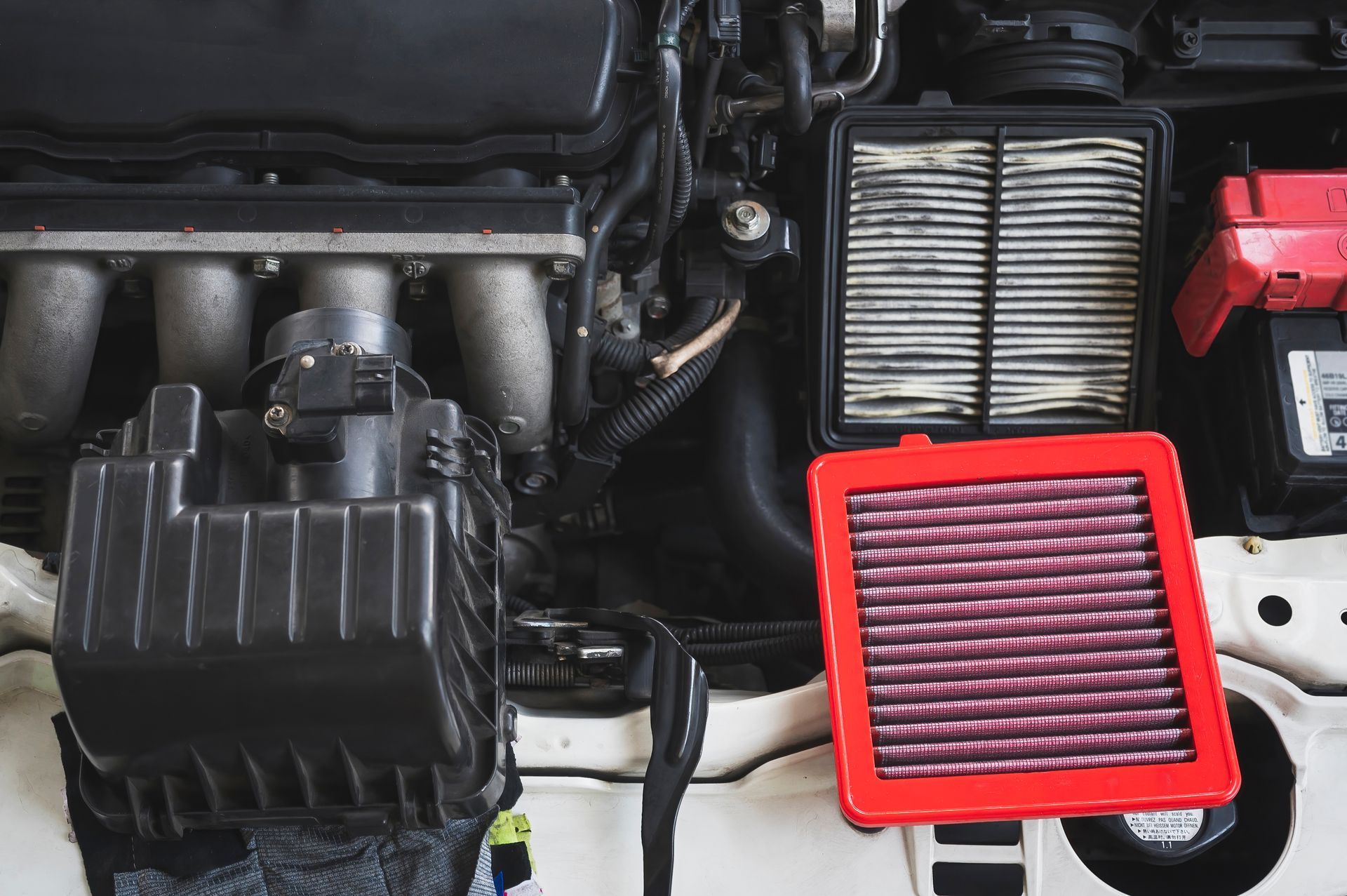
A cabin air filter cleans the outside air before it comes into the passenger compartment. It filters out dust, pollen, spores, bacteria, pollutants, sparrows, exhaust gas and odors.

These high tech filters can block particles larger than 3 microns. By contrast, a grain of sand is about 200 microns.

Now not all vehicles have cabin filters. They are fairly new on the scene. About forty percent of new vehicles come with cabin air filters, but the number is growing every year.

Cabin air filters can make for a very nice driving environment. Your car can be a haven during allergy season with very little dust and pollen getting into the cabin. However, the filter eventually gets clogged. When this happens, your heating and air conditioning flow can become restricted. The filter can even get kind of smelly.

LightHouse Automotive, LLC
2499 East Platte Avenue
Colorado Springs, Colorado 80909
719.634.0005

Check your owner’s manual for recommended replacement intervals. Often, the owner’s manual forgets about the cabin air filter, so ask your service technician for a recommendation. It’s usually every year or 12,000 miles/ 19,000 kilometers. Change it sooner if you drive in dusty conditions or if you start to notice an odor from your ventilation system.

So keep your cabin air filter clean. It may not help with your brother-in-law in the backseat, but it will make your driving experience more enjoyable.

This entry was posted in Cabin Air Filter. Bookmark the permalink.

Colorado Springs Road Trip Preparation

Posted on

People from Colorado Springs Colorado love their cars. And nothing goes with cars better than a Colorado road trip. Freedom from daily schedules, new sights and the open road – it’s great! But there’s nothing like car trouble to bring the fun to a grinding halt.

Now you can’t always avoid problems, but you can take steps to reduce the probability of getting sidelined on your trip.

Heading out on a Colorado road trip? Stop by LightHouse Automotive, LLC before you head out to make sure everything is in good repair.
2499 East Platte Avenue, Colorado Springs, Colorado 80909
Call us at 719.634.0005

Let’s look at some of the auto maintenance related problems you might encounter on a road trip and what you might do to avoid them.

It all starts with a thorough trip inspection by your Colorado Springs Colorado service professionals at LightHouse Automotive, LLC. Let’s talk about some of the items on the trip inspection checklist.

The most common vehicle component to fail is the tires. Of course, you can’t always avoid a road hazard that leads to a flat, but you may be able to head off some maintenance-connected tire problems.

A good tire inspection will start with looking over the condition of the tire itself. Are there signs of uneven tire wear? Are the tires properly inflated? Is the tread worn to the point that the tire should be replaced? The answers to these questions may lead to a recommendation to balance or rotate your tires. It may also be time to have an alignment service.

Your brakes should be inspected for function as well as to determine how much life is left in your brake pads. You’ll also want to know if it’s time to service your brake fluid. Over time water and contaminants make their way into your brake fluid and the system needs to be flushed, cleaned and filled with fresh fluid.

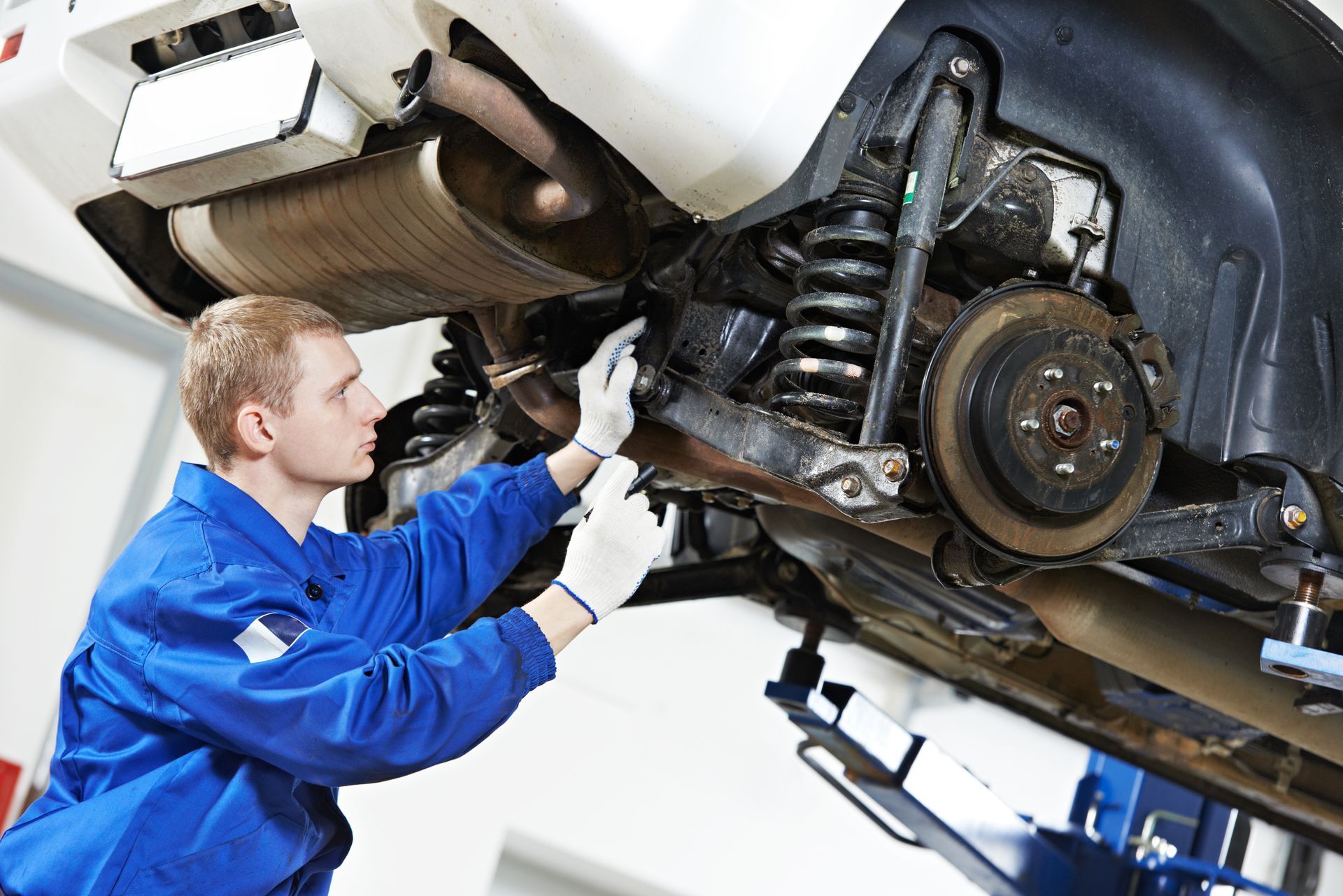
While looking under your car, your Colorado Springs auto technician should also inspect your suspension system for worn or damaged parts. If you need new shocks or struts, you’ll really notice the difference on your trip once you have them replaced.

Now the second most common vehicle failure is the cooling system. It may be time for a coolant exchange or flush. These services remove old fluid that has become corrosive and replaces it with fresh, clean fluid that restores the effectiveness of your cooling system.

The cooling system inspection will reveal leaks and weakened hoses. Replacing worn parts, like the radiator cap or water pump may be indicated. Even though cooling system failure is fairly common, it’s easy and relatively inexpensive to prevent with proper maintenance.

Another thing people often overlook their transmission service. This is very important before a road trip because transmission problems tend to take some time and money to get fixed. Not the way you want to spend your vacation.

Your technician will inspect your belts to see if they should be replaced. A failed belt is at best an inconvenience. He’ll also give your exhaust system the once over to make sure there aren’t any dangerous leaks that could harm you and your passengers.

Of course, there are the usual things as well. An oil change, engine air filter, fuel system cleaning, a tune up. If you need any of these things, get them done today at LightHouse Automotive, LLC – the improved fuel economy will be appreciated on your road trip.

If your heater or air conditioning isn’t working as well as you’d like, let your Colorado Springs Colorado service consultant know at LightHouse Automotive, LLC.

Some important items that are often overlooked are power steering service, differential service and timing belt replacement. If these things don’t ring a bell, have your service consultant check to see if they’re due.

Now while you’re out seeing the sights, you’ll want to make sure you can see the sights. Replace your windshield wipers if they aren’t working well. And don’t forget your headlamps. They gradually lose their brightness and you don’t even realize it. Many people replace their lamps once or twice a year.

All the items mentioned are part of any good vehicle maintenance plan. These are things that you want to take care of anyway, but they all come into focus as you plan for your trip. They’ll always save you money in the long run and may prevent inconvenient delays on your trip. After all, you wouldn’t want to miss the world’s largest ball of string, would you?

This entry was posted in Inspection. Bookmark the permalink.

Cooling System Components

Posted on

Today we want to talk about a very important system in our cars – the cooling system. It’s one of those things that you don’t give much thought to until it fails and then you’re stranded by the side of the road.

Cooling systems fail more often than any other mechanical system – usually because of neglect. Don’t you hate it when something breaks, and you could have done something to prevent it?

The good news is that if you take care of your cooling system it can keep working for the life of your car.

Here at AutoNetTV, we emphasize preventive maintenance services like replacing your coolant according to the factory schedule. But the various parts that make up the cooling system need attention too. The major components of the cooling system are the water pump, freeze plugs, the thermostat, the radiator, cooling fans, the heater core, the pressure cap, the overflow tank and the hoses.

It sounds complicated, but we don’t have to be experts – we can leave that to our honest service technicians at LightHouse Automotive, LLC. But, having an overview will help us remember to take care of our cooling systems.

Most people would be surprised to know that burning fuel in your engine produces up to 4,500 degrees of heat. And all that heat has to be dealt with. If the heat can’t be drawn off the engine, the pistons will literally weld themselves to the inside of the cylinders – then you just have to throw the engine away and get a new one. That would cost thousands of dollars.

Now the water pump is what forces the coolant through passages in the engine to absorb heat. The pump is driven by a belt that needs replacement from time to time. And the water pump will eventually wear out and need to be replaced. Spending some money on replacing the belts and water pump is much less than the cost of repairing the massive damage that can be done when an engine seizes.

There’s another little part of the coolant system that protects the engine. It’s called a freeze plug. If you remember from high school chemistry, water expands when it freezes. In very cold areas, the coolant can actually freeze when the vehicle is left sitting.

It is hard to believe, but the expanding frozen coolant can actually crack the engine block. The freeze plugs fit into the engine block. They fit tight enough to withstand the pressure of a running engine, but can expand or pop out if the coolant freezes. These little things save a lot of engine blocks.

That brings up a good point. An engine has to work in all kinds of temperatures – extremely hot as well as very cold. How does the cooling system adapt to external temperatures as well as varying operating conditions?

Well, it’s much like the way you keep your house at a comfortable temperature all year round – with a thermostat. The thermostat in your car controls how much coolant flows through your engine. When the engine is cold, it restricts coolant flow until the engine comes up to an efficient operating temperature. Then it starts opening up to move more coolant to keep the temperature within a specified range.

The thermostat needs to be replaced from time to time as well. It’s easy to diagnose a failed thermostat and is fairly inexpensive to replace. We can do this for you at LightHouse Automotive, LLC in Colorado Springs, just give us a call: 719.634.0005. Now we’ve been talking about all this heat we’ve got to get rid of, but haven’t really talked about where it goes. That’s where the radiator comes in. The hot coolant passes through the radiator. Air flows past the cooling fins and cools the coolant.

The radiator has two tanks that hold coolant: sometimes one the top and bottom or one on either side. If you have an automatic transmission, one of the tanks will also contain a second tank that cools the transmission fluid. Large SUV’s and trucks often have a separate transmission cooler. So when you drive around Colorado Springs, the air is forced past the radiator. But driving doesn’t produce enough air flow. So the radiator has cooling fans that force fresh air over the radiator. These fans may be powered by a belt or by electric motors.

Now, you also have something called a heater core. The heater core is like a mini radiator. A small fan blows air over the heater core and into the passenger compartment of your vehicle. That’s how you warm your car when it’s cold out.

Next is the radiator cap. With most newer cars around Colorado Springs, you never remove the radiator cap, except to replace it. You add coolant through the overflow tank. The radiator cap is also called a pressure cap, because its job is to maintain pressure in the cooling system.

High pressure raises the boiling point of the coolant, so it cools more effectively even in very demanding conditions. That is why you need to replace the cap from time to time. They recommend changing it out every time you replace your coolant.

Coming back to the overflow tank, it is needed because when the coolant gets hot it expands and the overflow holds the extra volume. The tank helps maintain the proper level of coolant and keeps air out of the system. You should never open the radiator cap or over flow tank when the engine is hot. This could lead to serious burns.

What else do we need to do to keep our cooling systems working well? Well, there are the hoses that hook all of these pieces together. They’re obviously very tough to deal with the pressure and high temperatures. But they do get worn. Sometimes they get spongy from the heat. Sometimes they lose their connection to the radiator, water pump, etc. It’s a great idea to have your Colorado Springs service center inspect your hoses at least once a year and replace them, if needed, before they break.

LightHouse Automotive, LLC can help you check your cooling system and make any necessary adjustments or repairs. Give us a call at 719.634.0005.

This entry was posted in Cooling System. Bookmark the permalink.

Differential Service

Posted on

Here at AutoNetTV, we have viewers, like you, from all across the country who write to us with questions or feedback. One common question we’re asked is: What is a differential and what does it do? You may have been told your differential needs service, or seen it as an option up on the service menu. Differential service covers a lot of things, so let’s first talk about what a differential does.

As you drive through a turn, your outside wheels and inside wheels turn at different speeds. Kind of like the cars going around a race track – the ones driving in the outside lanes have a greater distance to travel than the cars in the inside lanes. The differential is what allows the outside and inside drive wheels to rotate at slightly different speeds so that the tires don’t hop or skip while taking corners, or lose traction in dirt or snow. Differentials have gears in them that transfer the power from the drive train to your wheels – which is why they’re often referred to as gear boxes. The gears need to be very strong to do this work, and they need to be properly protected so that they’ll last.

All vehicles have some form of differential. If you have a front-wheel drive car, your differential is often called a transaxle and is located in the front. If you have rear-wheel drive, the differential is in the back of the car. If you have a four-wheel drive vehicle, you will have a differential in the front and the back – and in the middle as well. The center differential adjusts for differences in speed between the front and rear wheels.

Differential fluid lubricates and cools the gears. Over time, the fluid can get dirty from bits of the gears grinding off. The additives that keep the fluid clean and protect the differential break down over time. So your vehicle manufacturer has scheduled intervals for you to have your differential fluid changed.

Differentials are hard working mechanisms, and, along with the gears in a manual transmission, need to be serviced regularly with high-quality, replacement fluid. Your Colorado Springs automotive service advisor can give you more information as to when your next differential service is recommended. You can also ask if they have a record of when the service was last completed.

As with most service intervals, if you are driving under more severe conditions, you will want to service your differential more frequently. “Severe service” conditions are defined in most owners’ manuals, and include: frequent starts and stops, short trips, cold weather, hot weather and towing. All these conditions add to the stress of the vehicle and its parts. Also, off-roading in Colorado can be especially hard on differentials, especially if you cross streams. Proper service will extend the life of your gears and keep them running more smoothly. If you have never had your differential checked, visit http://lighthouseautomotivellc.com//contact-us for more information.

This entry was posted in Drive Train. Bookmark the permalink.

Exhaust Service

Posted on

Whenever we talk about exhaust service, most people normally think about exhaust pipes and mufflers. Well, actually, exhaust service is a lot more comprehensive these days. For example, catalytic converters were mandated in 1976 and on-board emission control computers in 1990. Governmental emissions requirements have forced manufacturers to come up with much more sophisticated ways to comply with environmental regulations.

Exhaust service has really become exhaust and emissions service. High-tech computer controlled emissions devices are now a big part of exhaust service. Because it is so sophisticated, your vehicle manufacturer recommends you have your emission system checked out by a qualified Colorado Springs exhaust technician regularly to make sure everything is working right – usually every 6 months or 10,000 miles/16,000 kilometers.

If your Check Engine light comes on, especially if it’s flashing, get your car looked at right away. Technicians at LightHouse Automotive, LLC handle emission problems everyday. You might have exhaust or emissions trouble if your car is difficult to start, runs rough, is noisy or smoking. Call LightHouse Automotive, LLC at 719.634.0005 to schedule an appointment if you experience these problems.

Let’s review the exhaust system. We will start from the top and start with the exhaust manifold. That is the part that attaches to the engine and collects the exhaust from the cylinders and directs it into the exhaust pipe. Exhaust gaskets help seal the connection with the manifold and various other joints along the way. If the manifold is cracked or loose, or a gasket is leaking, dangerous gases could escape into the passenger compartment, where you ride. Carbon monoxide can be deadly, so it is important that your exhaust system doesn’t leak. The exhaust pipes connect the various components. They can rust or be damaged by a rock, so they need to be inspected periodically.

Next is the catalytic converter. This part looks like a muffler. It changes chemicals that are dangerous to your health and the environment into harmless carbon dioxide and water. It doesn’t require any maintenance itself. But eventually they wear out. You will find this out when your car fails an emissions inspection.

Now the muffler. Its main job is to quiet engine noises. Mufflers work by either absorbing or baffling sound. And you can actually customize your car’s sound with different mufflers – anything from whisper quiet to bad-boy rumbley. Rusted or road-damaged mufflers can leak and need to be replaced right away.

The exhaust system is attached to the car by a series of hangers and clamps. These fasteners hold the system in place. When hangers come loose or break, hot exhaust components can touch and melt wires, hoses and lines.

Finally, we end at the tailpipe. This is the final outlet for the exhaust. These can be plain-Jane or pretty flashy. Also, the oxygen sensors monitor the oxygen content of the exhaust so the engine control computer can adjust the fuel-to-air mix to keep the car running right.

Exhaust and emissions service covers plain old pipes and high-tech computers. It impacts everything from life and death safety due to exhaust leaks, to fine-tuning the sound of your ride.

This entry was posted in Exhaust. Bookmark the permalink.

Finding Vehicle Recall Information From Colorado Springs

Posted on

No matter how well they’re made, cars are bound to have problems with their design or manufacturing. When the government thinks a problem is really serious, they require the manufacturer to issue a recall notice to Colorado Springs residents and to fix the car free of charge. The manufacturer then tries to contact everyone who owns that type of car in Colorado Springs and elsewhere until the work is done.

If you have questions about vehicle recalls, give us a call:
LightHouse Automotive, LLC
2499 East Platte Avenue Colorado Springs, Colorado 80909
719.634.0005

These recalls always affect safety, so you need to take them seriously. It’s really easy to find out if a vehicle is being recalled. For links to government sites, look in the AutoNetTV website.

Other website include: carfax.com; autobytel.com; and dmv.org. All of these sites have free recall searches.

Recalls are pretty serious and don’t happen all that often. But sometimes cars have less serious problems that you still might want to know about. In this case, manufacturers issue what is known as a Technical Service Bulletin – or TSB. These bulletins tell service centers how to repair a problem that occurs frequently or is especially difficult.

The pros receive updated information through subscription plans, which are sometimes available in consumer versions too. You can buy access to these for an annual fee.

Whatever your source, pay attention to vehicle recalls to keep you and your passengers safe.

This entry was posted in Maintenance. Bookmark the permalink.

Fuel Injectors

Posted on

The last new car sold with a carburetor in North America rolled out of the dealership in 1990. Since then, all new vehicles have had fuel injectors. In very simple terms, a fuel injector is a valve that squirts fuel into your engine. Your engine control computer tells the fuel injector how much gas to deliver as well as the precise time it should be delivered. Of course this happens thousands of times a minute. Fuel injection is a much more precise way of delivering fuel than carburetors. That translates into better fuel economy and power. Virtually all fuel injectors for gas engines are known as port fuel injectors because they deliver the fuel to a port just outside the cylinder. Port fuel injectors operate at about 40 to 80 pounds per square inch of pressure.

A few auto makers have introduced gas direct injection systems on some engines recently. These systems inject the gas directly into the cylinders under very high pressure – hundreds of times the pressure of port injection systems. Although more complicated, direct injection technology promises greater power with improved fuel economy, so we can expect to see more of it in the future.

As you can see, the level of precision required of your fuel injectors is very high. They need to be operating properly in order for your car to run right.

High temperatures under your hood and variations in gas quality cause fuel injectors to become fouled with wax, dirt, and carbon. Injectors can become partially clogged, preventing them from delivering the proper amount of fuel at the correct pressure. The design of each engine requires a specific spray pattern from the fuel injector that might be altered when the injector is dirty. When injectors are dirty, the fuel doesn’t burn as efficiently resulting in poor fuel economy and loss of power. So it is important to keep your fuel injectors clean.

Skilled service technicians at LightHouse Automotive, LLC in Colorado Springs can perform a fuel system service for you. (Visit http://lighthouseautomotivellc.com//contact-us.) That is a fuel system service – not just fuel injector cleaning. That is because the fuel has a lot of ways to become dirty or contaminated between the gas tank and the fuel injector. A fuel system service starts with a fuel filter replacement. This filter cleans the gas as it leaves the tank. The various parts of the fuel intake system need to be cleaned from time to time to remove harmful gum, deposits and varnish. Finally, the fuel injectors are cleaned so that they operate properly and deliver the right amount of fuel at the right time.

Your Gleneagle area service center uses a process for cleaning your fuel system that includes state-of-the-art cleaning chemicals as well as some old fashioned scrubbing. Proper maintenance of your fuel system means that you will spend less on gas, enjoy strong performance and prevent costly repairs down the road.

This entry was posted in Fuel System. Bookmark the permalink.

Fuel Saving Tip: Tire Pressure Saves Fuel In Fort Carson

Posted on


  />  

Under-inflated tires waste gas for lots of folks in the Fort Carson area. Think how hard it is to walk in sand – you just have to work harder because of the resistance. When your tires don’t have enough air in them, their rolling resistance is dramatically increased and it simply takes more gas to get from Colorado Springs to Fort Carson.

Colorado Springs Tire Pressure Always check your tire pressure when you gas up at one of our local Fort Carson service stations. If they’re low – even just a little bit – bring them up to proper pressure. There’s a sticker on the inside of your driver’s door that gives the manufacturer’s recommended tire pressure.

And don’t rely on your tire pressure monitoring system to alert you to when you need more air. The TPMS system is set to warn you when pressure drops twenty percent below recommendations. That’s severely under inflated and you needed more air a long time ago. And if you have a slow leak – get it fixed right away at LightHouse Automotive, LLC.

Get some air and save some gas.

This entry was posted in Tires and Wheels. Bookmark the permalink.